Practical guide: home decorating ideas for a unique interior
The most enduring home decorating ideas rarely stem from an impulsive purchase. They arise from a careful consideration of the existing space, materials, and the inhabitants' lifestyle. A unique interior doesn't need to be spectacular in every corner. Above all, it should create connections between rooms, offer coherent visual cues, and leave space for intentionally chosen objects. It is this coherence that transforms a collection of furniture into a truly inviting atmosphere.
Anchor your home decorating ideas in what already exists.
Before looking for a new lamp or shelf, take the time to identify what already works in your home. An old parquet floor, a family table, a wall color, or even a view from the window can become the starting point for the rest. Original interior design often begins with this careful observation of what's already there.
This step avoids two common pitfalls: buying attractive decorative objects that don't suit the room, or recreating a style seen online without considering the constraints of the space. A home has its own rhythm, its own light, and its own flow. Good decorating choices should enhance these qualities instead of clashing with them.
It's helpful to photograph each room before making any changes to the overall design. The images quickly reveal empty spaces, uneven ceiling heights, or overly repetitive materials. This step back allows you to develop more accurate and easier-to-implement home decorating ideas.
A limited inspiration notebook containing just a few references can also help you stay on track. As soon as an image doesn't match your lighting or furniture, discard it. This selection process protects your home from tempting purchases in stores that ultimately feel out of place once you get it home.
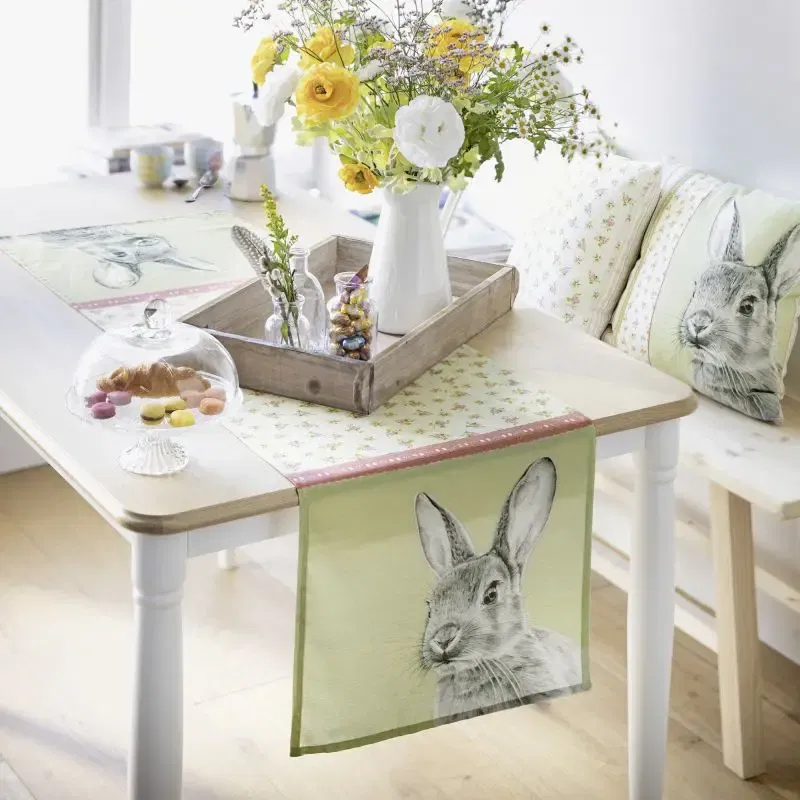
To circulate a range of materials rather than a single color
A harmonious interior doesn't necessarily depend on a single color used throughout. It often relies on a few materials that complement each other from room to room: light wood, woven fibers, linen, patinated metal, matte ceramic. This subtle continuity creates unity without making the atmosphere feel static.
Wood serves as a particularly effective unifying element here. Whether it appears in small pieces of furniture, a coat rack, a shelf, or wooden decorative objects, it visually stabilizes the whole space. The home gains in softness and depth, especially when this wood is paired with light-colored walls or simple textiles.
To avoid a catalog-like effect, leave room for surprises. A more rustic piece in an entryway, a wicker basket near the sofa, or a vintage find with an imperfect shape can add character. Handcrafted home decor gains presence precisely when it isn't overwhelmed by overly similar accessories.
Arrange decorative objects instead of piling them up
Decorative objects are more effective when grouped logically rather than scattered randomly. Three volumes of different sizes on a console table, two frames and a bowl on a chest of drawers, or a stack of books alongside a handcrafted piece create a coherent scene. The intention is immediately apparent.
This rule also applies to unique decorative objects. A single statement piece on a low shelf will have more impact than five scattered knick-knacks. The space around the object is almost as important as the object itself, as it gives it presence and prevents visual fatigue.
It's also helpful to rotate certain items according to the season. A wooden bowl, a few candles, a textured vase, or a handcrafted tray don't need to stay together all year round. By moving a few elements at the right time, you can refresh the room without compromising its character.
Whether


